Tulsa, OK · Garage Door Service
Garage Door Repair Built Around What Tulsa Actually Has in the Garage
What We Do
Repair, installation and service for garage doors across Tulsa.
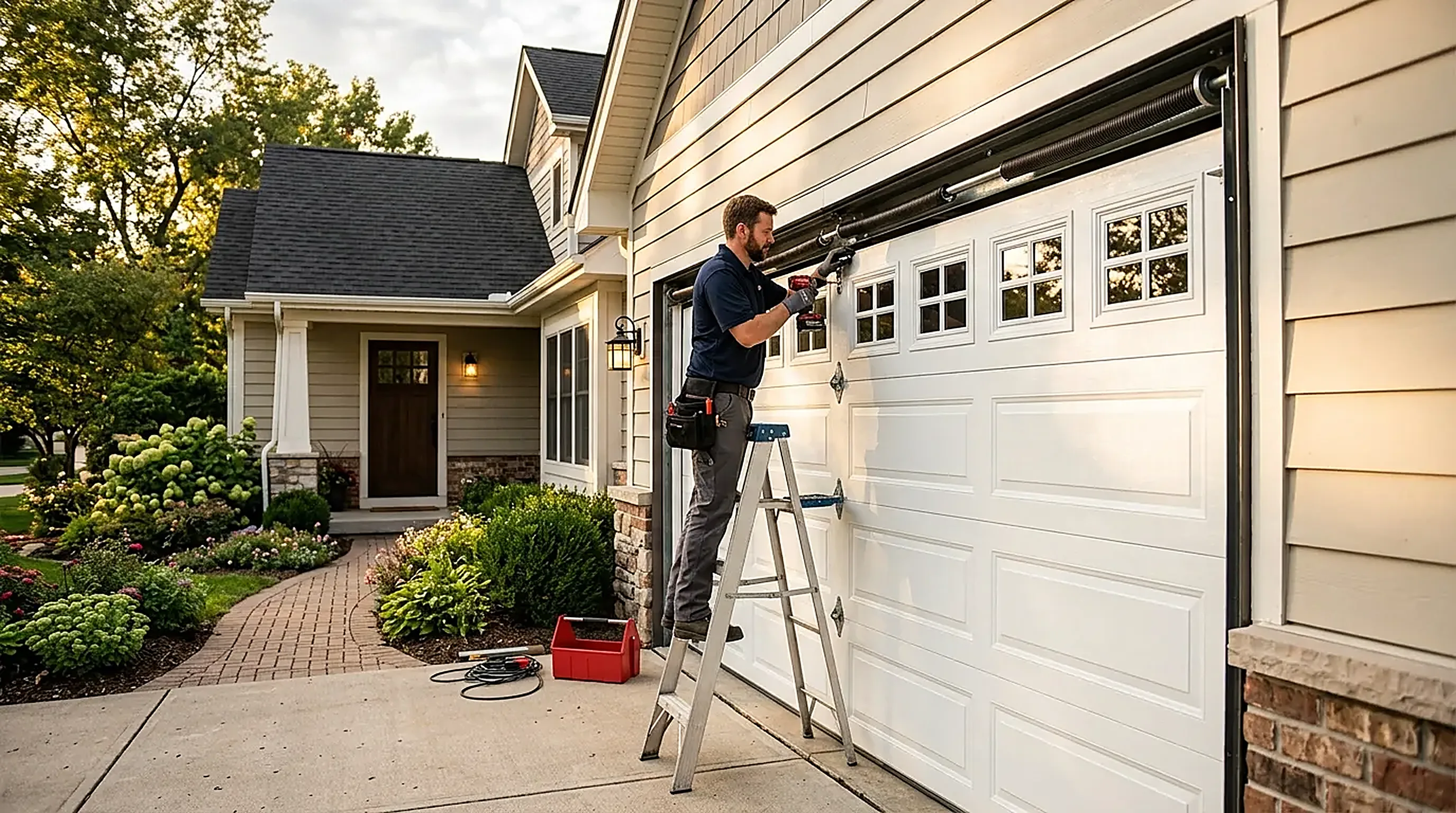
Tulsa Garage Door Co fixes broken springs, off-track doors, and dead openers in homes built 1973-2005 across Tulsa's cold-moderate climate zone,.
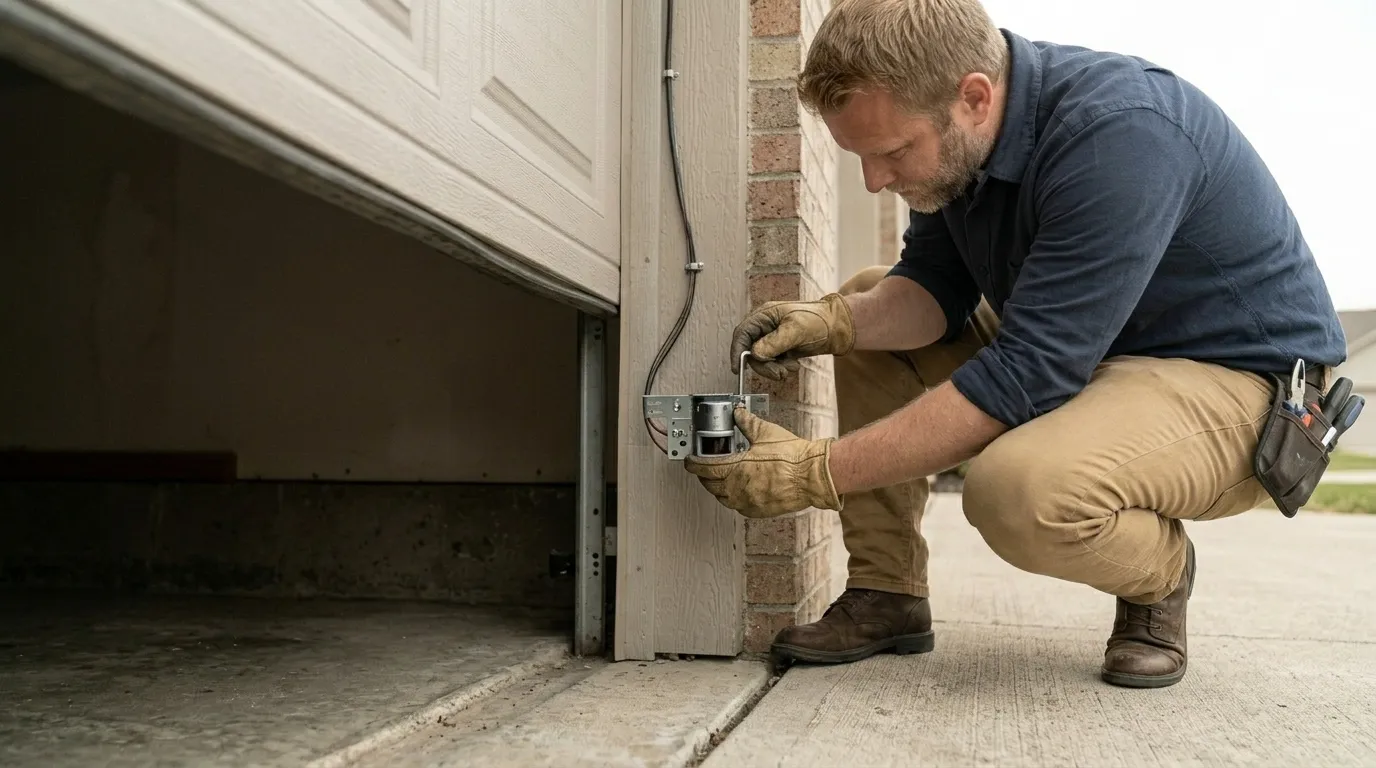
Learn more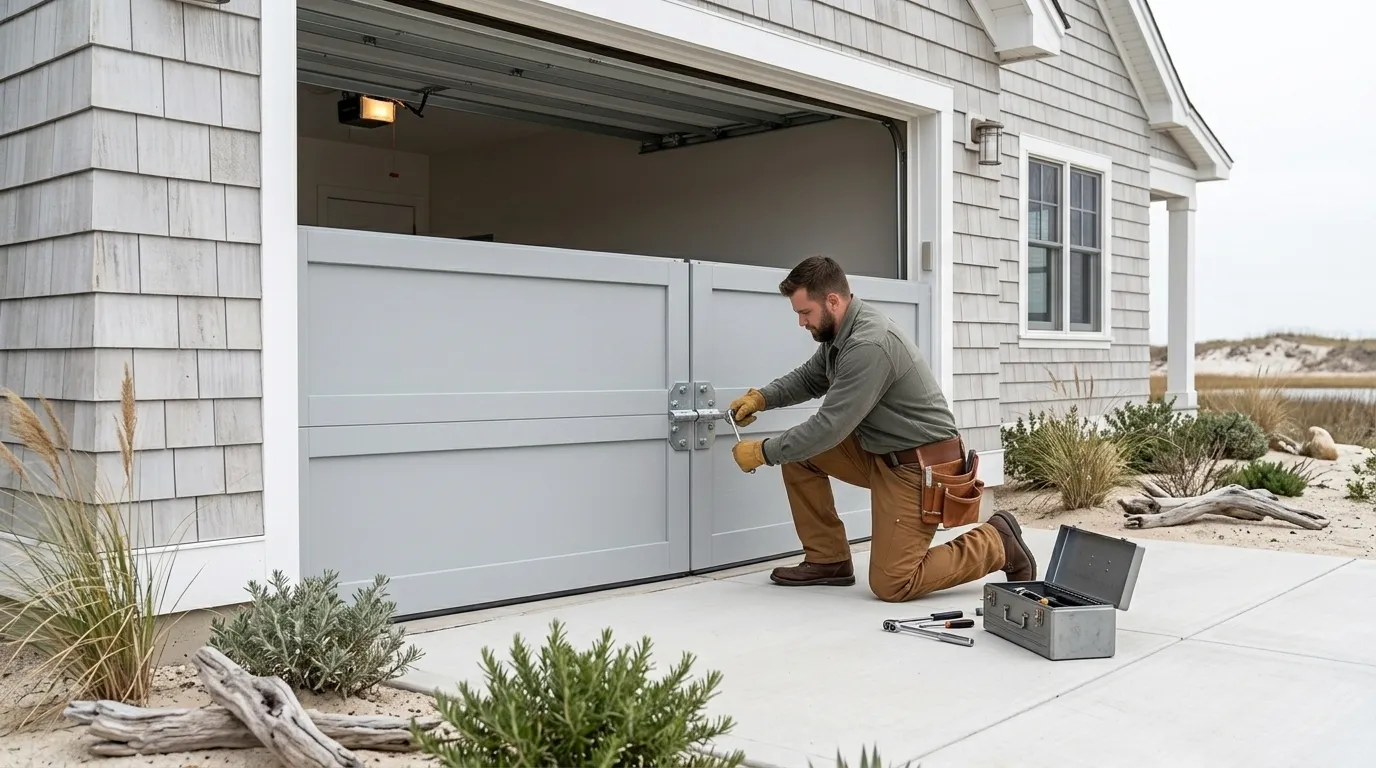
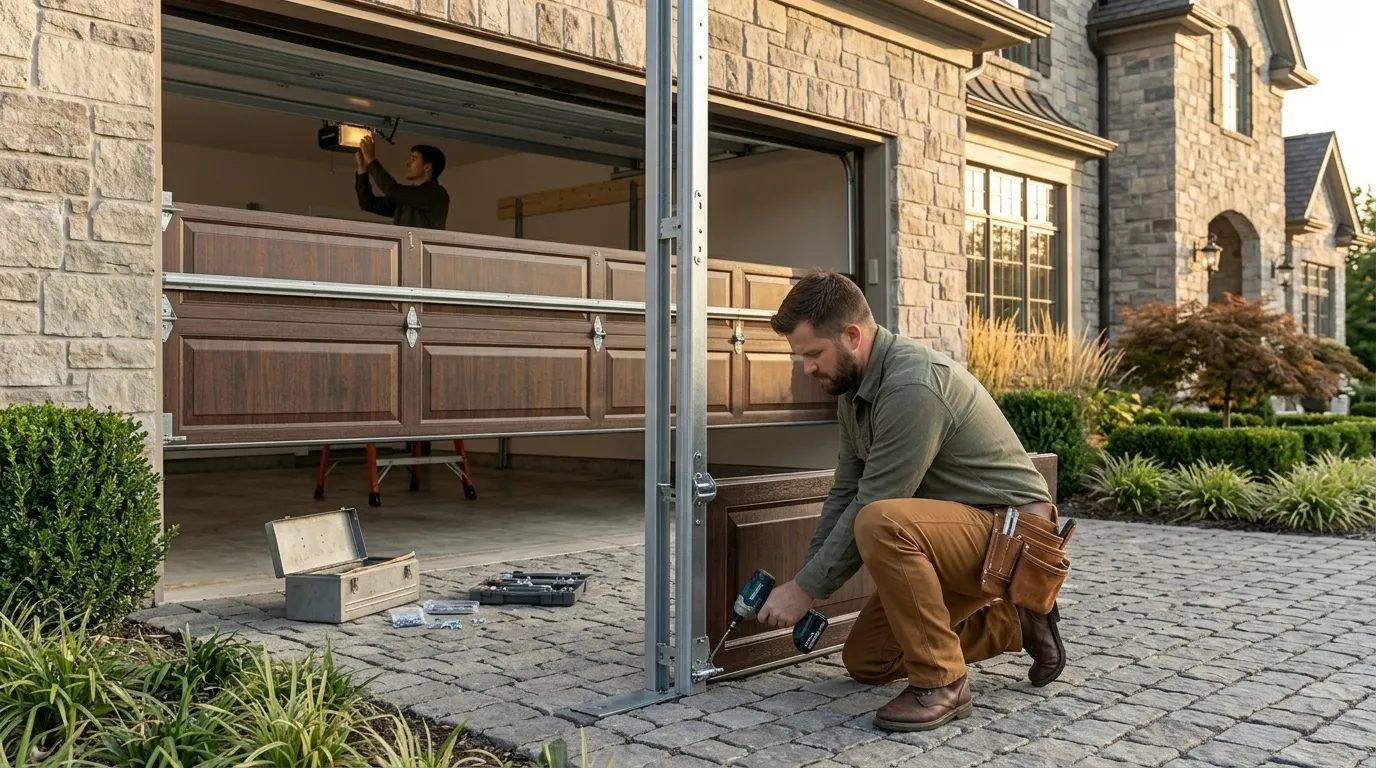
Installing new garage doors on Tulsa's 1970s-2000s housing stock, matched to our cold-moderate winters and the original opening sizes builders used.
Learn more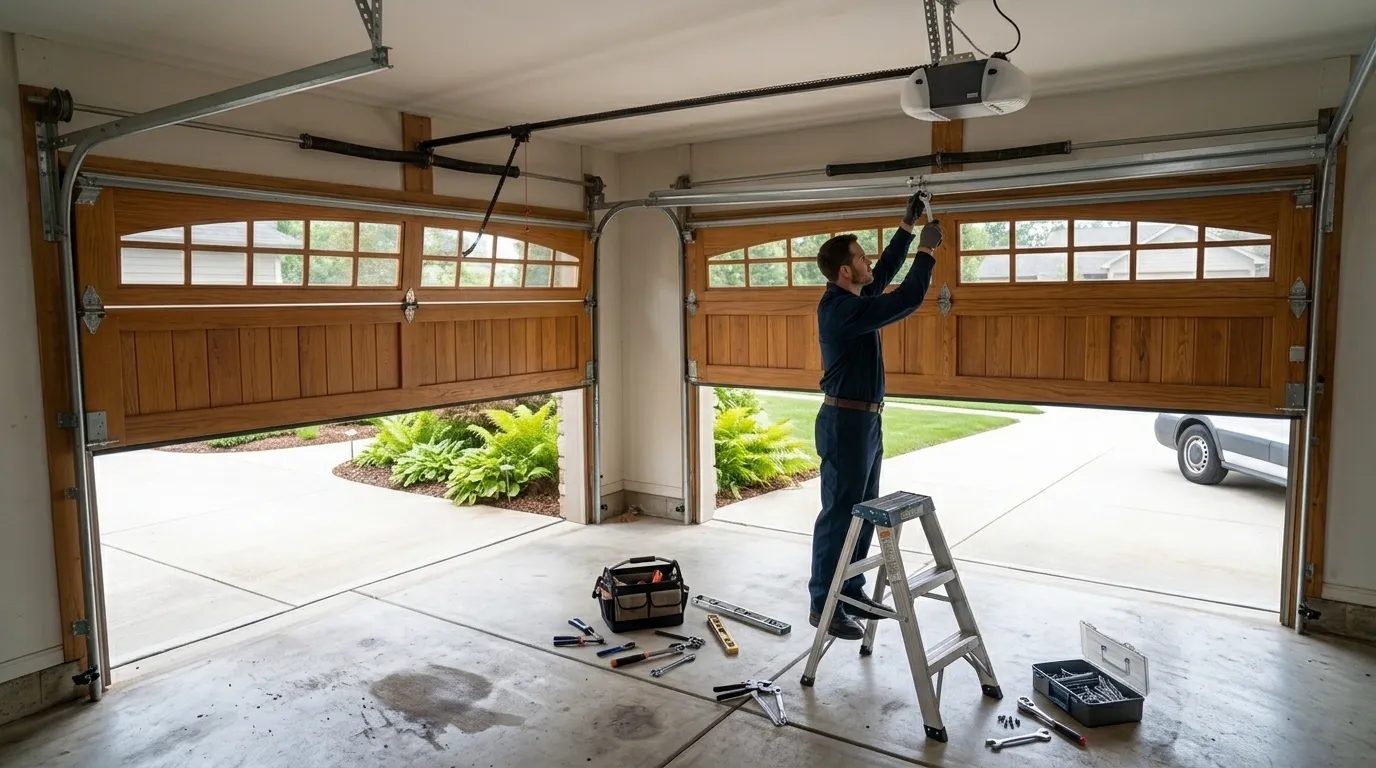
Tulsa houses built between 1973 and 2005 wear out garage door parts in predictable ways. Tulsa Garage Door Co knows what the housing stock here throws at a door and fixes it right.
Learn more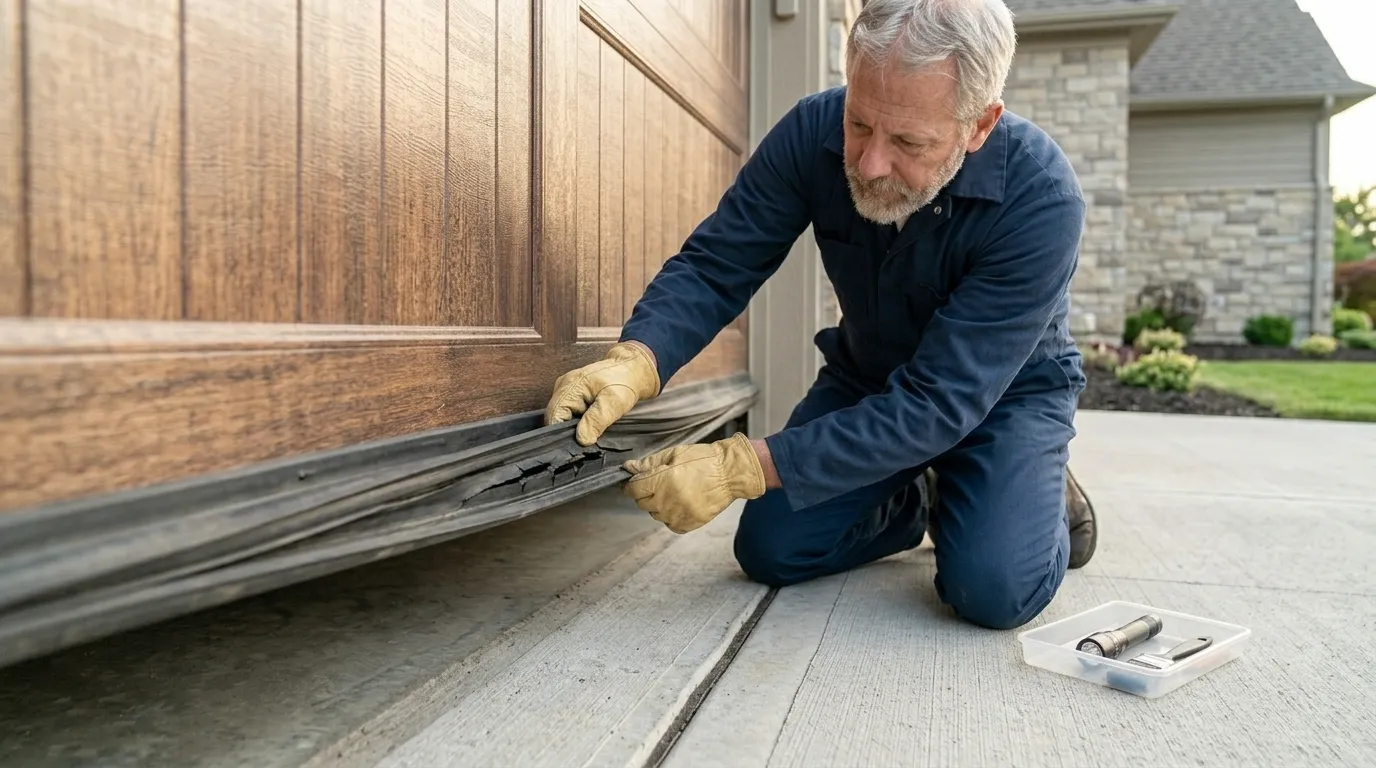
Openers in Tulsa's 1970s-2000s housing stock wear out on a predictable schedule. See why, what it looks like, and what a new install involves.
Learn more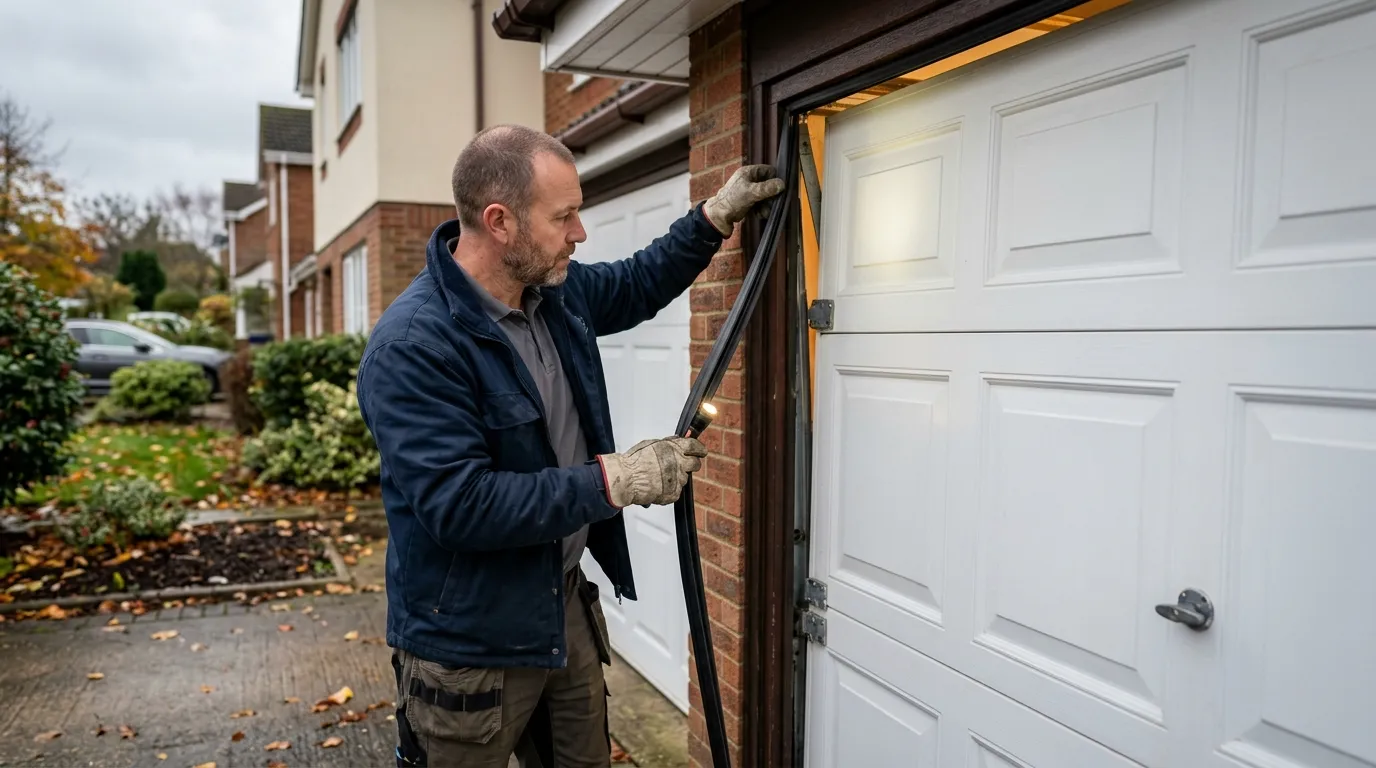
Tulsa's 1973-2005 housing stock and cold winters push doors off track more than most cities. Here's why it happens and what the fix involves.
Learn more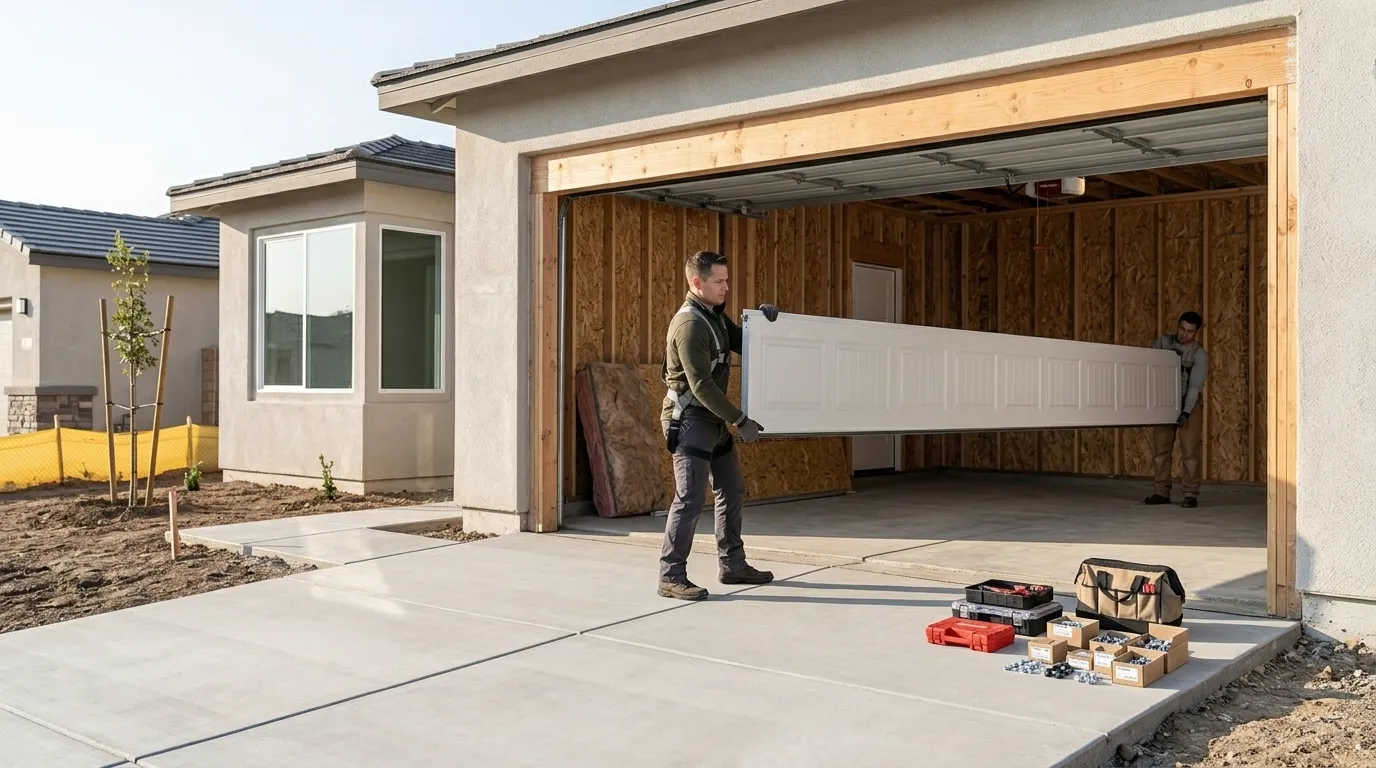
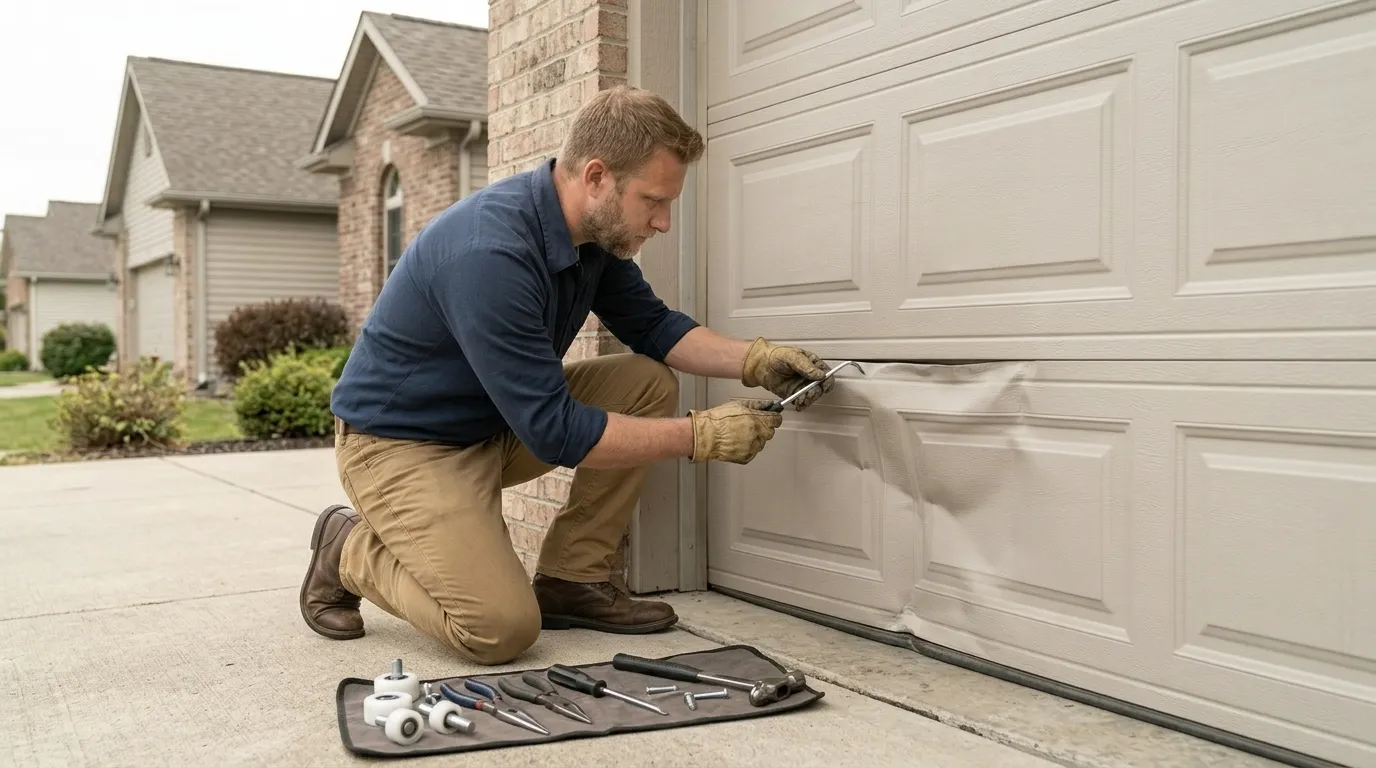
Panel replacement for Tulsa homes built 1973-2005, where steel panels and hardware from that era don't match current stock. Serving the Tulsa area.
Learn more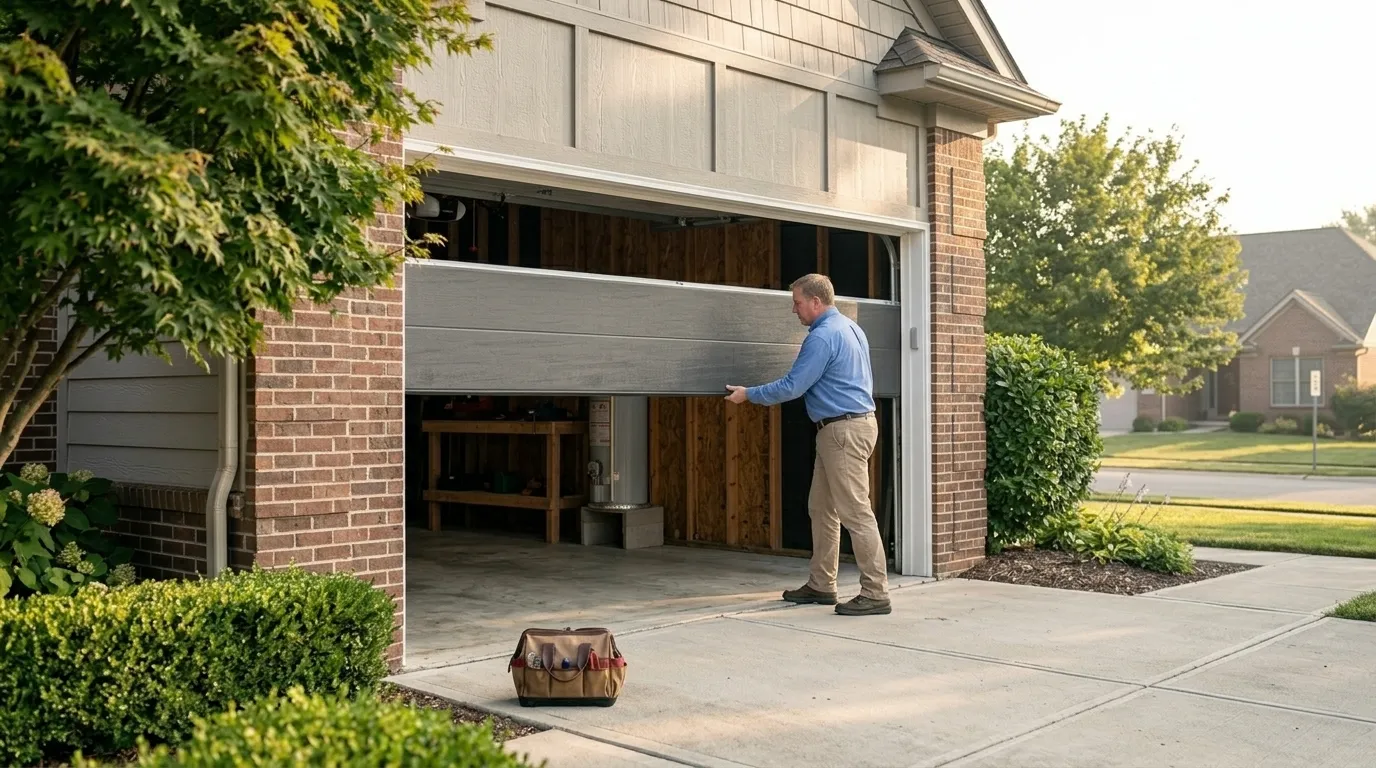
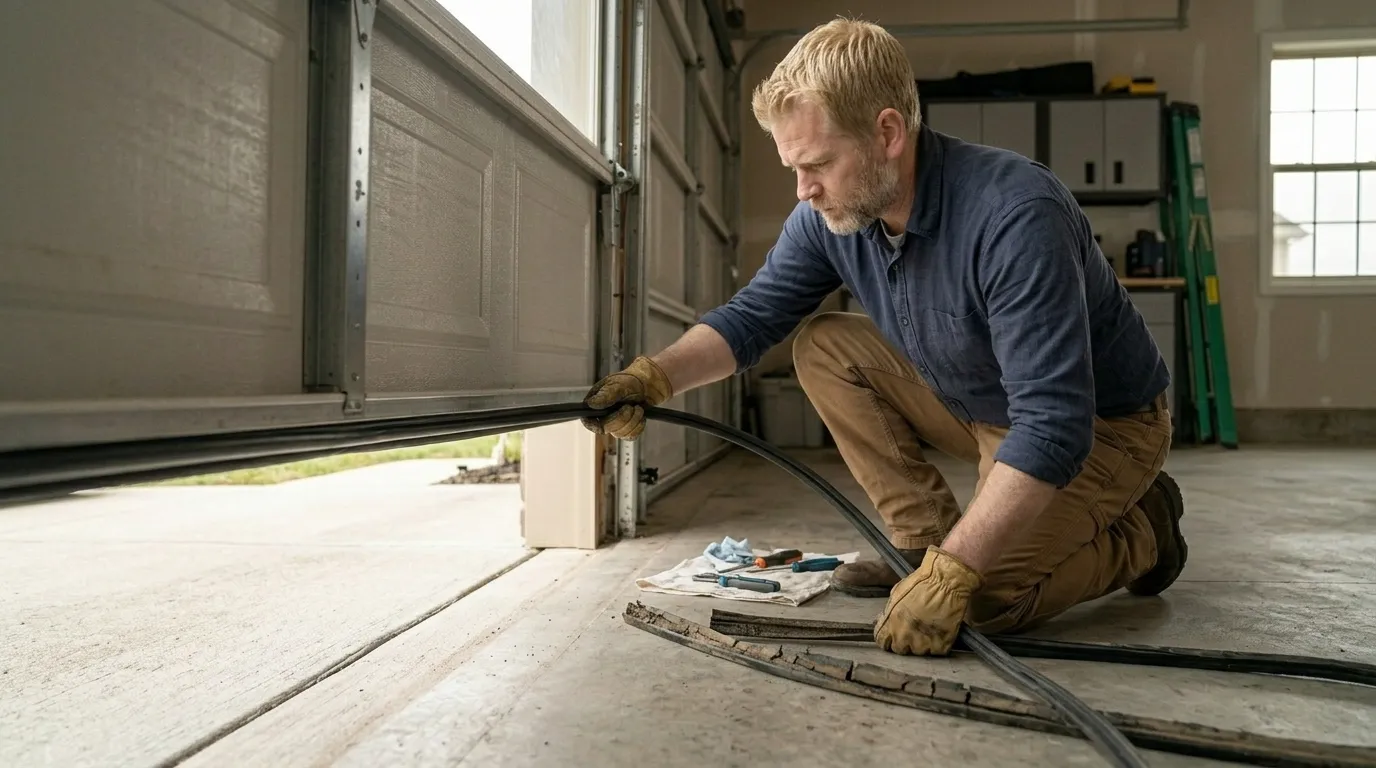
Worn rollers on Tulsa homes built between 1973 and 2005 wear out from cold-to-hot swings. Here's why it happens, what it looks like, and what the job runs.
Learn more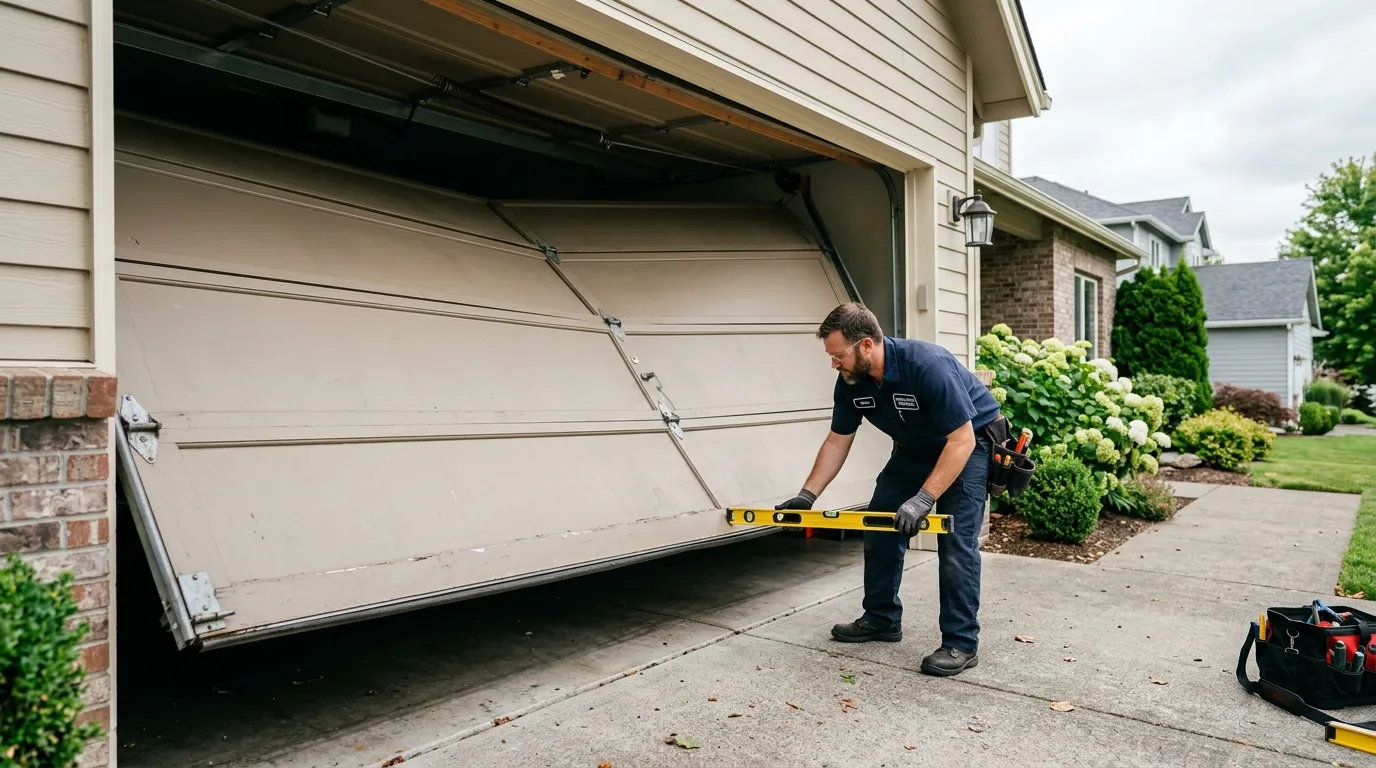
Commercial garage door repair and service in Tulsa, OK for buildings built between 1973 and 2005 facing spring, track, and opener failures in cold winters.
Learn moreCommon Problems
Tell us what the door is doing and where you are, and we will take it from there.
 Serving Tulsa
Why Tulsa Calls Us
Every visit starts by finding what actually failed - not a pre-written parts list.
Springs and openers matched to the door’s weight and age, so the fix holds up.
When a repair makes more sense than a replacement - or the reverse - you hear it plainly.
Tension released safely, hardware set true, the door tested under power before we leave.
6 nearby communities and 8 garage door services.
Call or request a quote online - tell us what the door is doing.
How It Works
Call or request a quote and describe what the door is doing - noise, off-track, won't open.
A tech inspects the springs, tracks, opener and panels and gives you a written price first.
Most repairs are done on the same visit; installs are scheduled around you.
Gallery
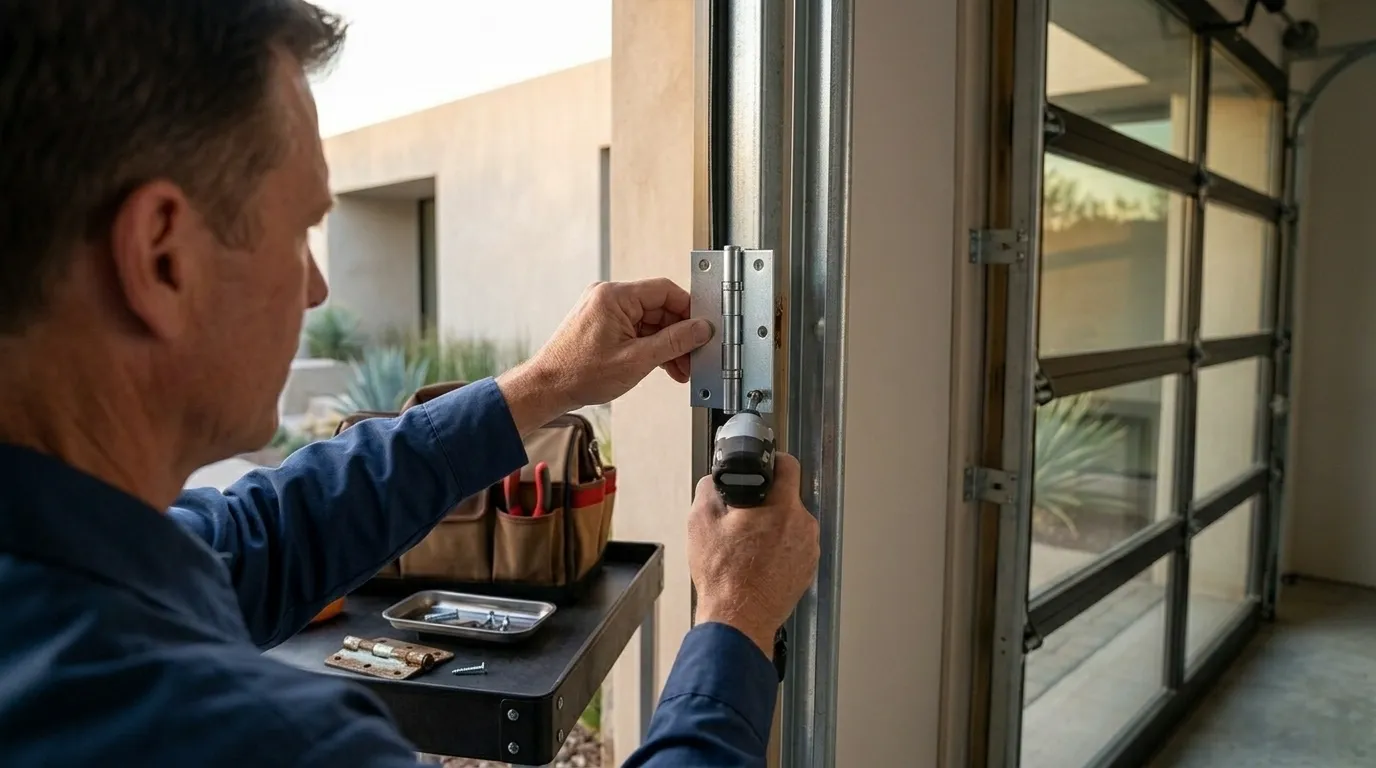
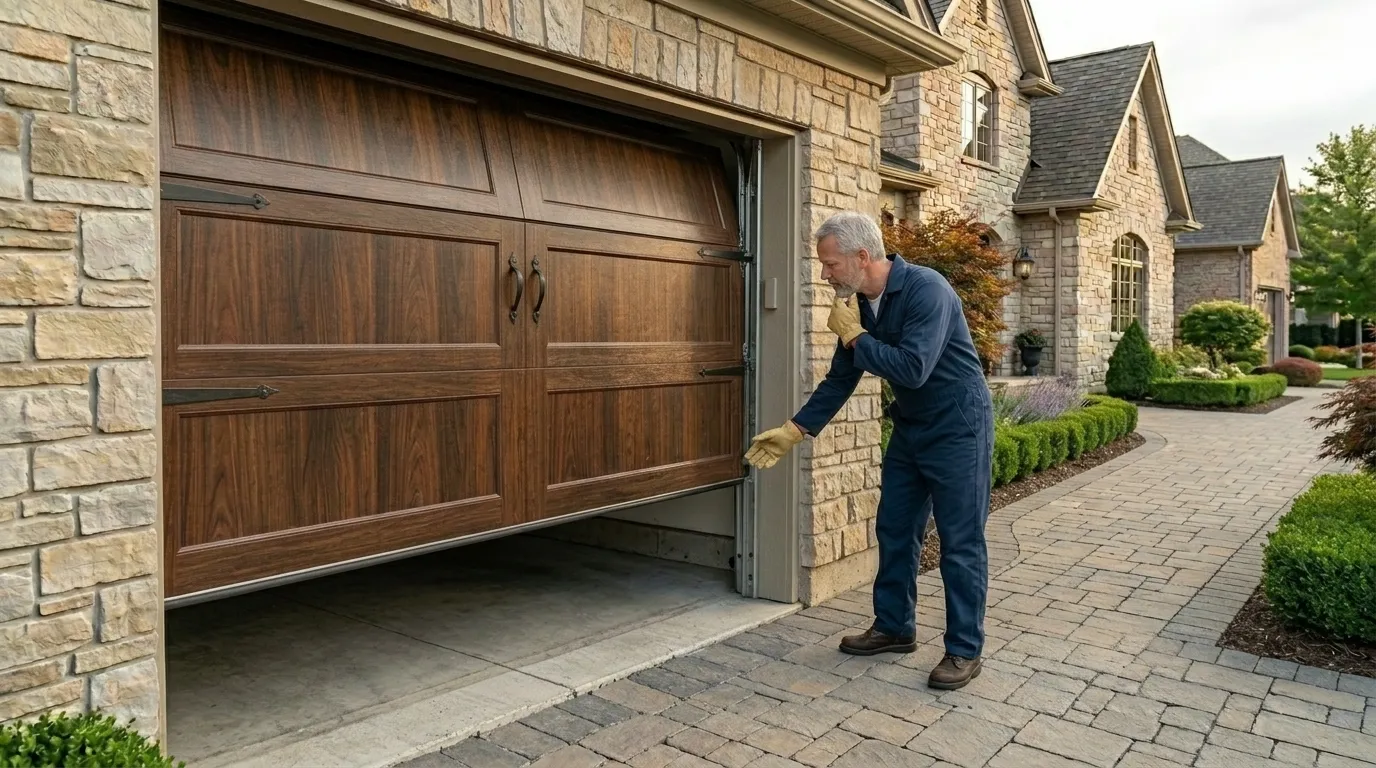
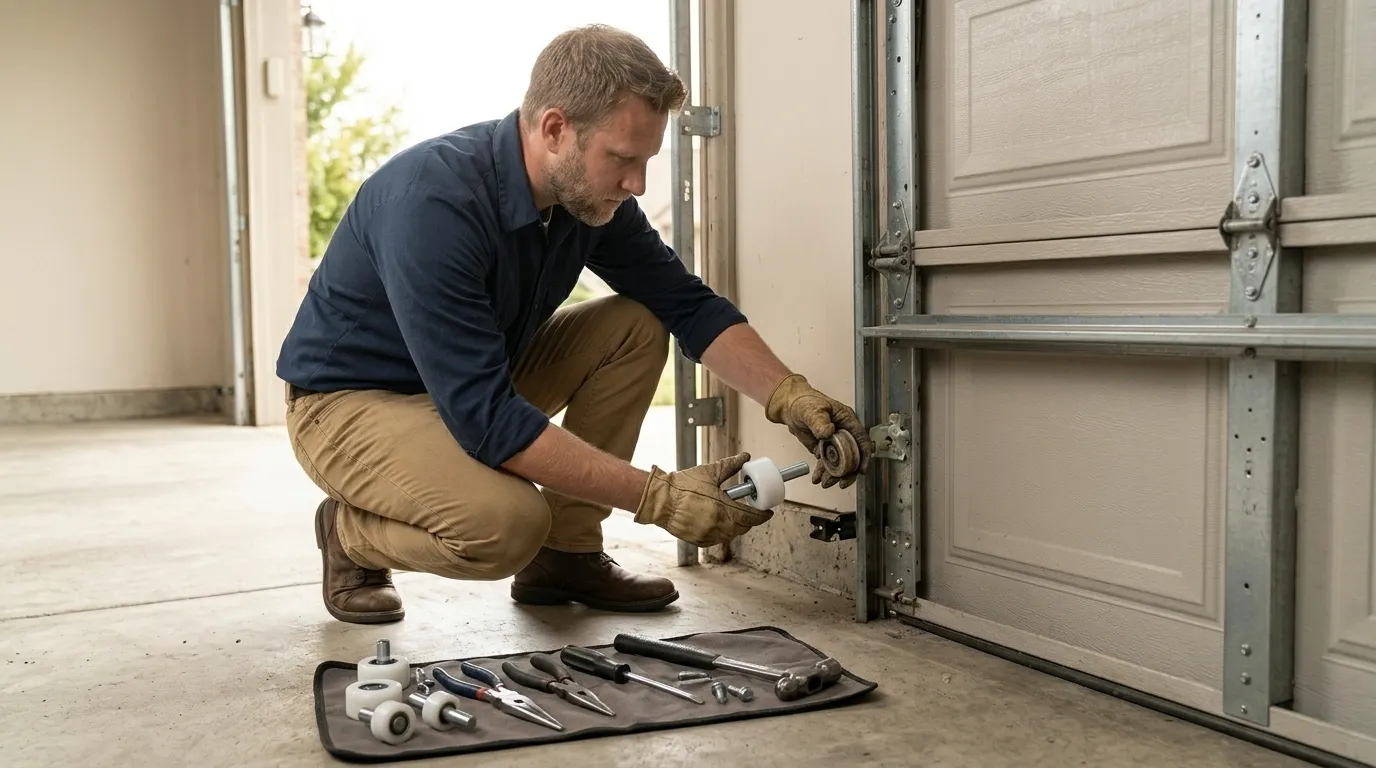
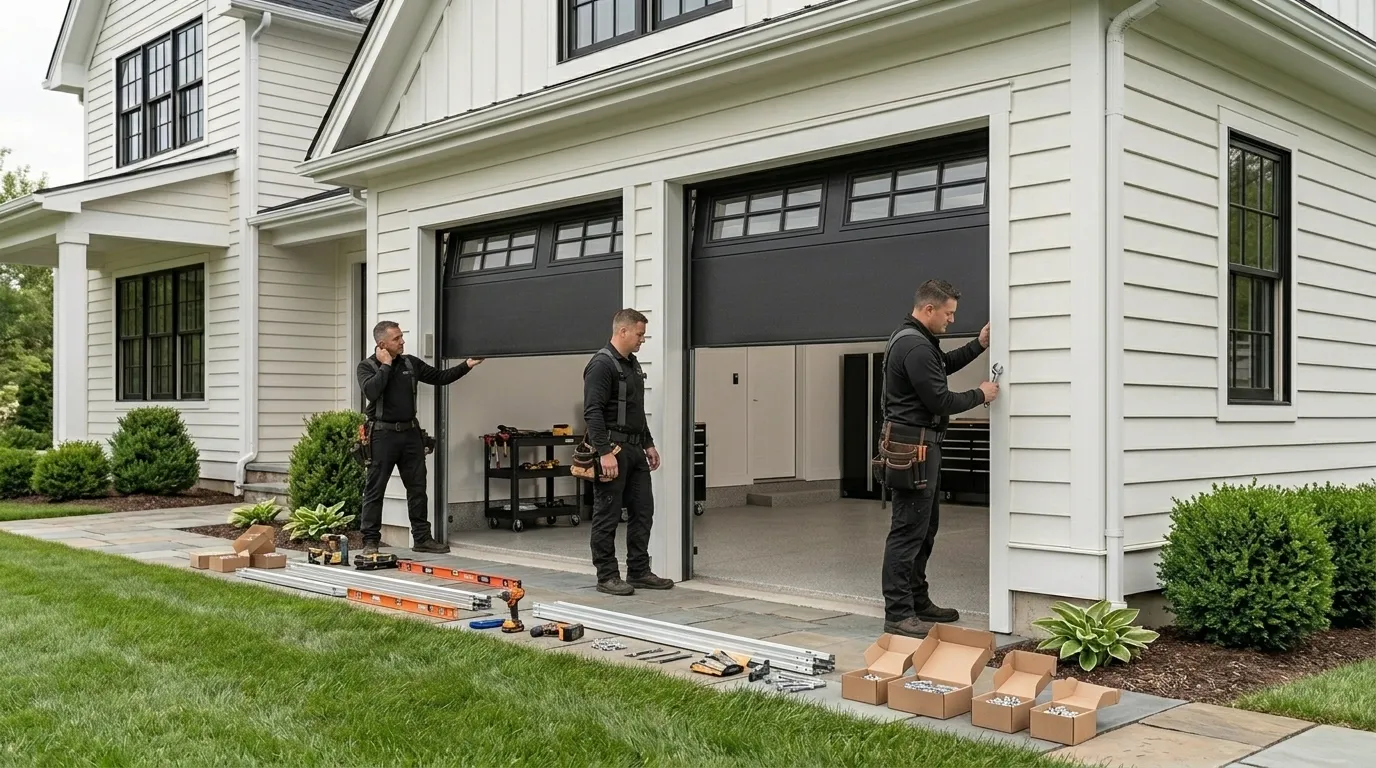
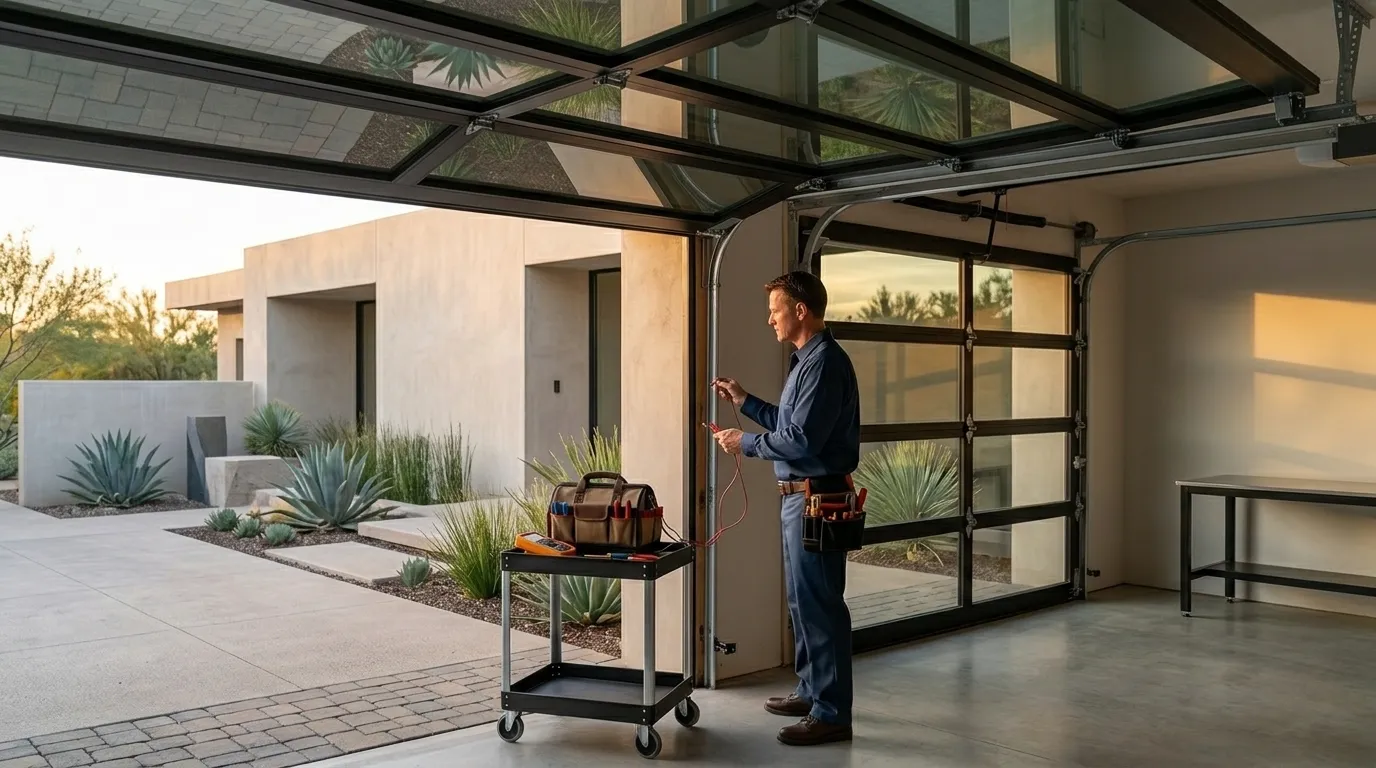
A look at the kind of doors, openers and springs we work on.
Where We Work
The 6 communities we cover around Tulsa.
Local Expertise
We work out of Tulsa and cover the ring of towns around it: 8 miles out, Jenks at 10, Bixby and Sand Springs all around 13, then Glenpool, Sapulpa, Kiefer at 15. Farther out we still take calls. Closer in, we're regularly out.
That's not a marketing map - it's the actual radius where we know the housing. A door call in a door call in aren't the same job, because the houses went up in different decades with different hardware, and we've seen enough of both to know what we're walking into before we open the truck.
If you're outside this list, call anyway and ask. Distance isn't the only factor, but it's the first one we check.
Most of the housing across this service area was built between 1973 and 2005, with the median landing around 1990, and the bulk of it is 1980s-90s stock spread across the 18 named areas we cover. That build window matters more than people think. Doors and openers from that era are old enough now that torsion springs are on their second or third cycle, and a lot of the original hardware - steel tracks, older extension spring setups, chain-drive openers from a builder-grade install - is still in the garage because nobody's touched it since the house was framed.
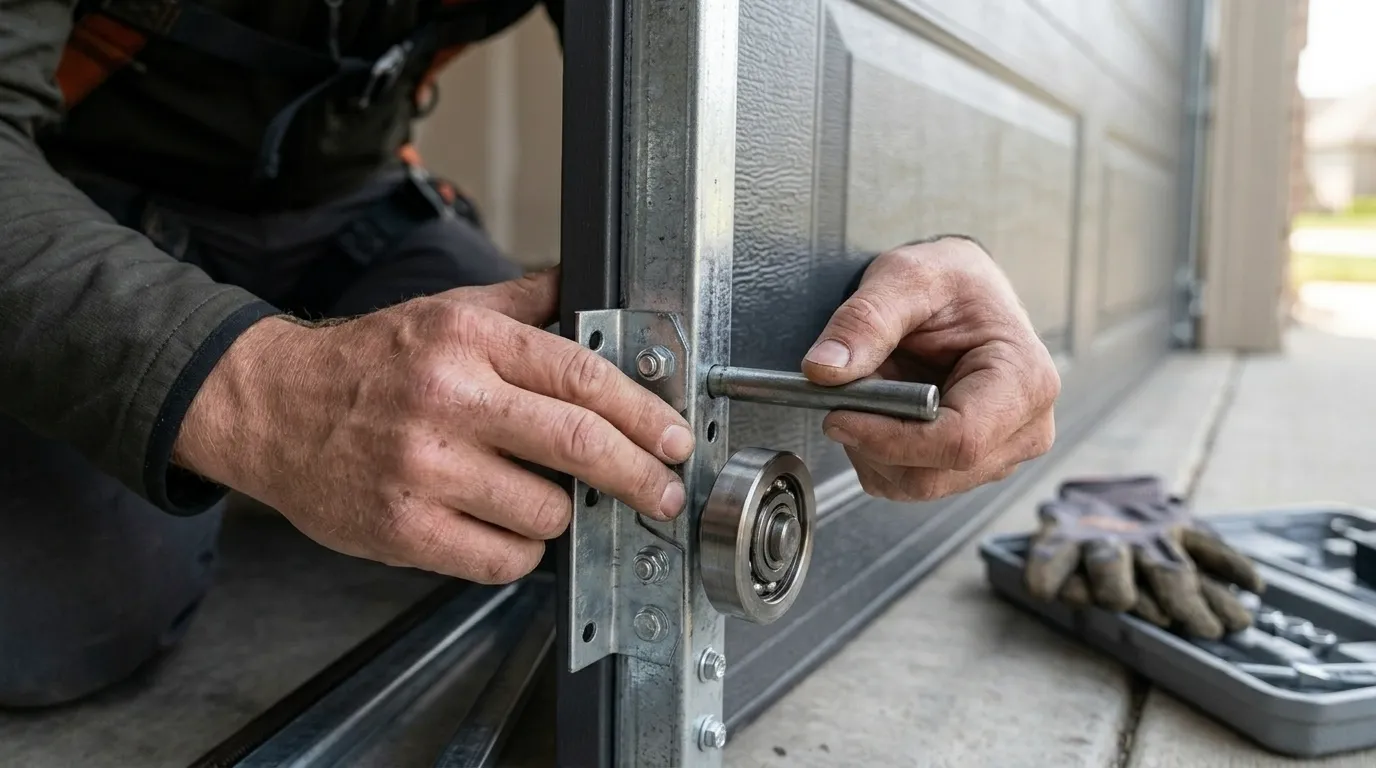
So the calls we get most aren't exotic. It's a torsion spring that finally lets go after 15-20 years of cycles, a cable that frayed off a worn drum, rollers that have gone from nylon-with-bearings to bare metal, or an opener logic board that's outlived its motor. On a cold-band winter here, steel doors and old grease combine badly - hardware that was fine in October seizes or snaps in a January cold snap because the lubricant thickened and nobody re-greased it.
We don't chase every possible failure mode. If a door's problem is a bent track from a car backing into it, that's a straightforward fix. If a door's problem is that everything on it is original to a 1985 build, we'll tell you that too.
You tell us the symptom - door won't open, spring snapped, opener grinds but the door doesn't move, remote's dead - and where you are relative to Tulsa. That location matters for scheduling, since a job in a job in sit at very different points on the route.
We ask a few questions before anyone drives out: how old the door and opener are, whether it's a single or double, whether the spring is torsion (over the door) or extension (alongside the tracks). That's usually enough to bring the right spring size and cable length the first trip instead of a second one.
On site, we diagnose before we quote. A door that won't open isn't always the spring - sometimes it's a broken cable, a stripped opener gear, or a sensor that's out of alignment and cutting power on purpose as a safety response. We walk you through what we found and what it'll take before touching anything you'd have to pay for.
We're straightforward about scope. If the fix is a spring swap, that's what we do. If the door itself is failing structurally - panels rusted through, track bent beyond re-alignment - we'll say so instead of patching around it.
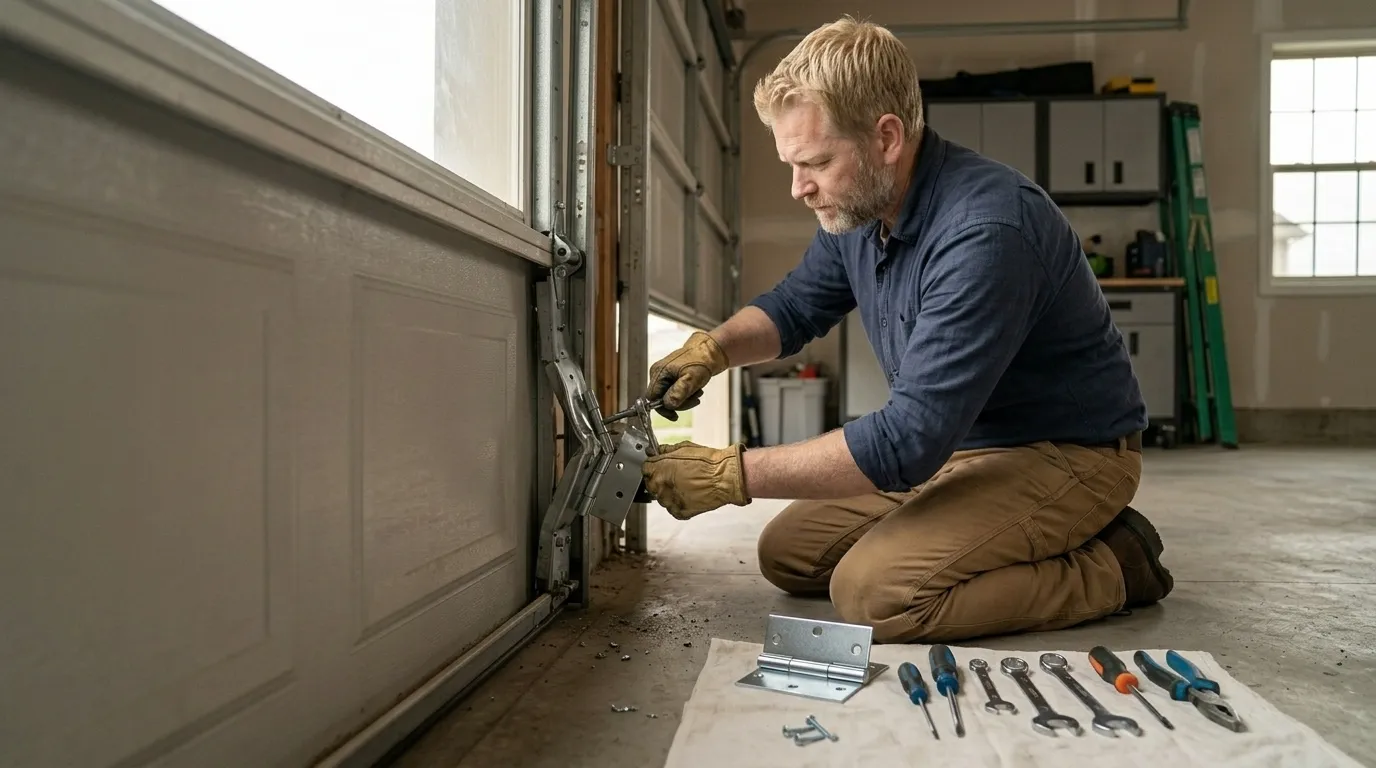
We don't publish a flat price list because garage door jobs aren't flat. A single torsion spring replacement on a standard door is a different job from a double door with two springs, and both are different from an opener swap where the old unit's mounting doesn't match anything current.
What we can tell you is what drives the number: door width (single vs. double), spring type, how many springs are actually broken versus just worn, and whether the opener or track needs work alongside the spring. Across the households we serve - this area runs roughly 37,589 owner-occupied houses out of about 59,310 total households, with a median household income around $72,137 - most jobs land in a predictable range because most of the housing is the same handful of builder-grade configurations from the 80s and 90s.
Where it gets more expensive is when a homeowner has let a symptom run - a spring that's been dragging on one cable for months can take out the track or the opener with it, turning a spring job into a spring-plus-track-plus-opener job. We'll always tell you when a repair isn't worth it and replacement is the better spend, rather than stacking patches on an aging door.
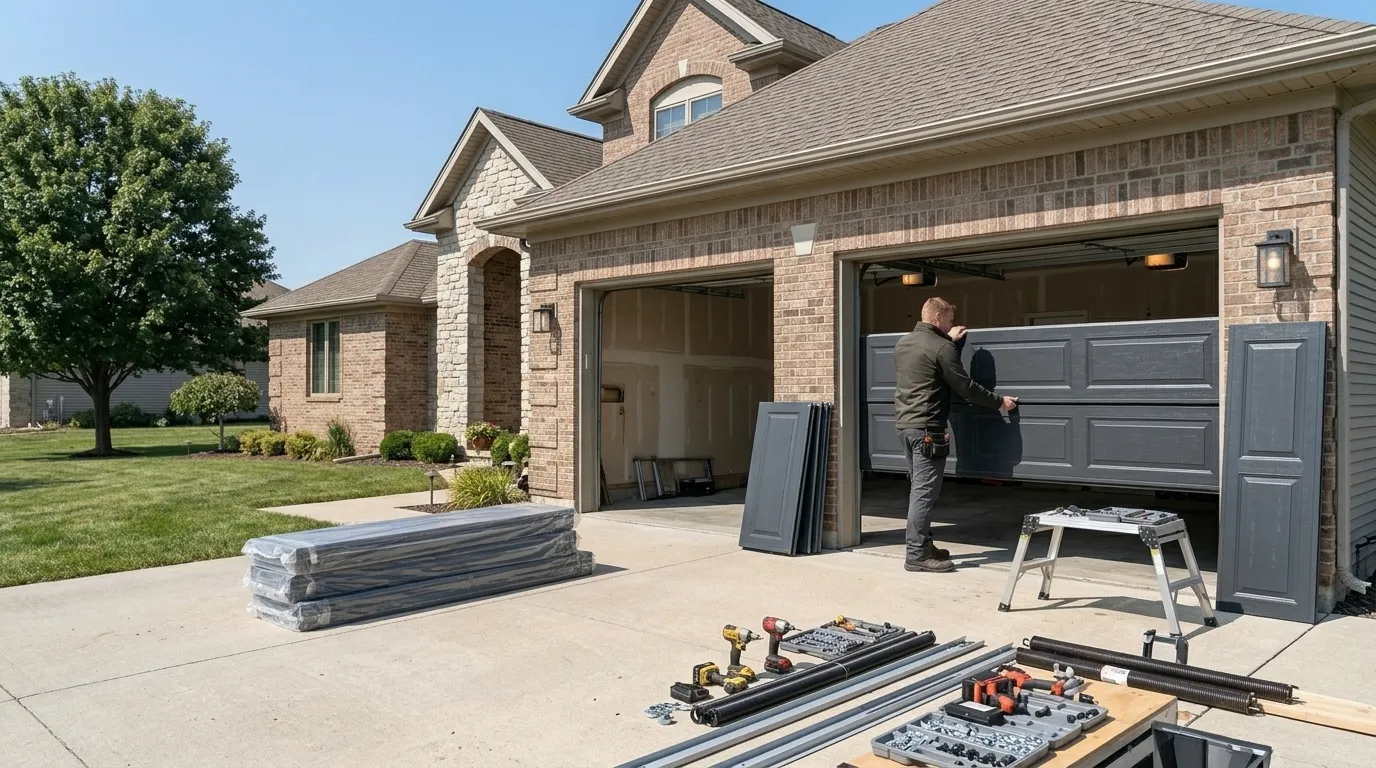
The housing stock across this service area is remarkably consistent: built mostly 1973 to 2005, median year around 1990, and dominated by that 1980s-90s builder-grade wave across all 18 named areas we cover, from the close-in pockets like out to on the far edge.
That consistency shows up in the garage. You get a lot of the same door widths, the same mounting patterns, the same generation of opener hardware installed at construction and rarely upgraded since. It's part of why we can usually name the likely part before we see the door - not because every house is identical, but because the building era narrows the possibilities a lot.
The cold-moderate climate band this region sits in adds its own wear pattern on top of the age: steel doors expand and contract enough over a winter to work bolts loose and dry out factory lubricant faster than a mild-climate install would see. None of this is dramatic. It's just steady, predictable wear on a housing stock that's now old enough for the original hardware to be reaching the end of its service life at roughly the same time across a lot of driveways at once.
Good to Know
Torsion springs are rated for a cycle count, not a calendar - usually somewhere around 10,000 open-close cycles. In a house built in the 1980s or 90s, that spring has likely already been swapped once or is due. Cold winters here also stiffen the grease inside the coils, which adds strain on top of normal wear.
Yes. We cover a radius that includes Jenks, Bixby, Sand Springs, Glenpool, Sapulpa, Kiefer, and farther towns like along with closer-in areas. Call and give us your location and we'll tell you straight if it's in range.
Depends what's failing. A dead remote or misaligned sensor is a quick fix on almost any opener. But if the motor or logic board on a builder-grade unit from a 1980s or 90s install is going, parts for that generation are often harder to source, and replacement usually costs less than chasing an old board.
If the door won't budge and the opener motor sounds like it's straining or humming without moving the door, that's usually a spring problem - the opener isn't built to lift the door's full weight alone. If the opener runs quiet and normal but the door doesn't respond at all, it's more likely the opener or the sensors.
Call or request a quote - tell us what your door is doing and where you are.